
The landscape of global financial markets has undergone a radical transformation over the past decade. As digital connectivity becomes ubiquitous, the traditional desktop-bound trading terminal is increasingly being complemented, and in some cases replaced, by mobile-first solutions. UxoTrade stands at the intersection of this evolution, focusing on providing users with the tools necessary to navigate volatile markets from virtually anywhere with an internet connection.
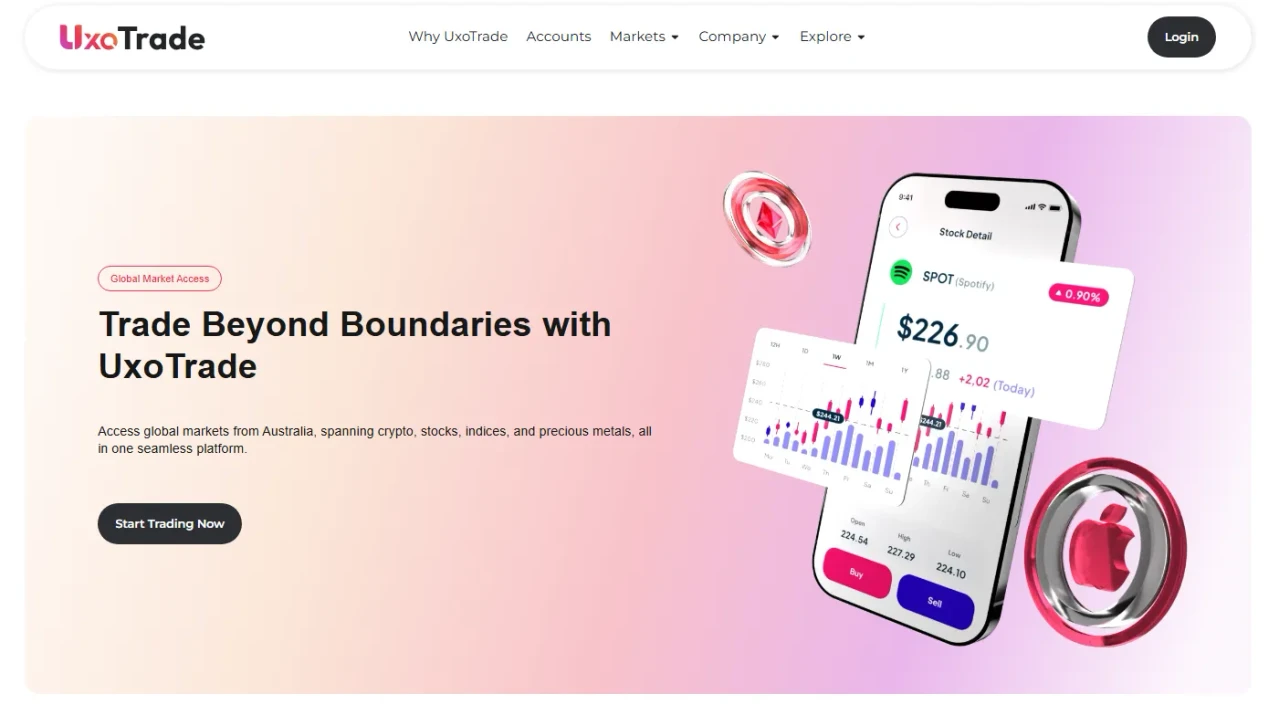
For modern market participants, the ability to monitor price movements and manage positions in real-time is no longer a luxury; it is a fundamental requirement. This shift towards mobile-first trading is driven by the demand for speed, convenience, and the democratization of market access. By prioritizing mobile responsiveness, platforms like UxoTrade aim to bridge the gap between complex analytical requirements and the portability required by today’s fast-paced lifestyle.
The Evolution of Mobile Trading Architecture
Historically, trading software was designed for high-performance desktop environments, often requiring significant hardware resources. However, the rise of mobile-first architecture has forced a rethink of how data is displayed and how orders are executed. Developers are now prioritizing lean interfaces that reduce latency while maintaining the integrity of technical analysis tools.
Mobile-first trading platforms typically focus on three core pillars to ensure a seamless user experience:
- Interface Optimization: Streamlining dashboards to display critical data without overwhelming the user on smaller screens.
- Latency Reduction: Implementing lightweight protocols that ensure data packets are transmitted quickly, even on mobile networks.
- Security Integration: Utilizing biometric authentication and multi-layer encryption to protect user accounts in a mobile environment.
Comparing Traditional vs. Mobile-First Trading
Understanding the difference between legacy systems and modern mobile-first platforms is essential for any market participant evaluating their digital toolkit. While desktop systems remain powerful for deep-dive research, mobile platforms excel in responsiveness and accessibility.
| Feature | Traditional Desktop | Mobile-First (UxoTrade) |
|---|---|---|
| Accessibility | Stationary/Limited | High/Anywhere |
| Interface | Complex/Multi-window | Intuitive/Simplified |
| Execution Speed | High (Wired) | High (Optimized) |
| Data Depth | Extensive | Focused/Essential |
Key Considerations for Mobile Market Engagement
When engaging with markets via mobile devices, users must consider the unique constraints of the medium. Smaller screen real estate requires a disciplined approach to chart analysis and order management. It is often recommended that traders use mobile platforms for monitoring existing positions and executing time-sensitive decisions, while reserving desktop environments for long-term strategic planning and extensive fundamental analysis.
Furthermore, mobile connectivity can be inconsistent. Traders should be aware of their network stability, as unexpected drops in service can impact the ability to manage open positions. Platforms like UxoTrade incorporate various safeguards, such as automated notifications and simplified order entry, to help users maintain control regardless of their physical location or network conditions.
Essential Features for Modern Mobile Traders
- Real-time Alerts: Push notifications for price triggers or market volatility events.
- One-Tap Execution: Simplified order entry forms to minimize the time between decision and action.
- Synchronized Data: Seamless transition of watchlists and settings between desktop and mobile versions.
- Advanced Charting: Touch-optimized tools that allow for drawing trendlines and applying indicators on the go.
Summary Conclusion
The shift towards mobile-first trading is a reflection of a broader digital transformation in the financial services sector. By leveraging platforms like UxoTrade.net.net, market participants gain the flexibility to engage with global markets on their own terms. While mobile technology offers unparalleled convenience, it requires a balanced approach that respects the inherent risks and technical constraints of the mobile environment. As technology continues to advance, the distinction between mobile and desktop capabilities will likely continue to blur, further empowering users to manage their trading activities with greater efficiency.
Frequently Asked Questions
Is mobile trading secure?
Modern mobile trading platforms employ advanced security measures such as end-to-end encryption, multi-factor authentication, and biometric logins to protect user data and account integrity.
Can I perform technical analysis on a mobile device?
Yes, most mobile-first platforms now offer robust charting tools, including various indicators and drawing utilities, designed specifically for touch-screen navigation.
What happens if I lose my internet connection while trading?
Most platforms maintain the state of your account on their servers. If you lose connection, your open orders remain active on the exchange, but you may be unable to modify or close them until your connection is restored.
Are mobile trading platforms suitable for beginners?
Mobile platforms are often designed with intuitive interfaces that may be easier for beginners to navigate compared to complex, multi-window desktop terminals.
Disclaimer: This content is for educational and informational purposes only and does not constitute financial, investment, or legal advice. Trading in financial markets involves a significant risk of loss and is not suitable for everyone. All trading decisions are the sole responsibility of the individual. Please consult with a qualified financial advisor before making any investment decisions.